Septic System Relocation in Denver, CO
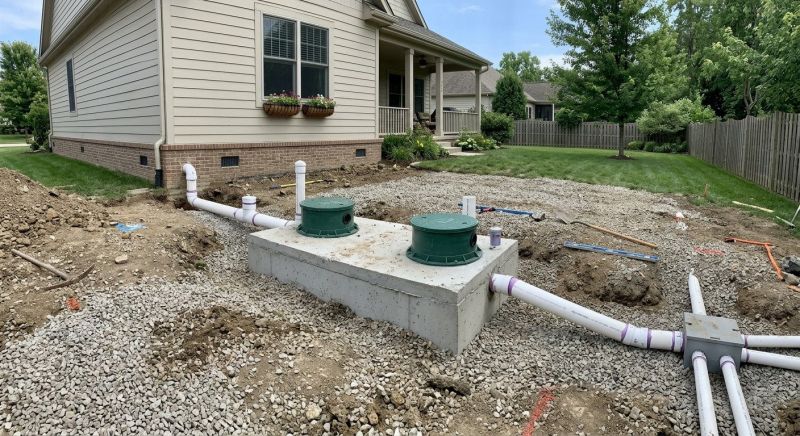
Septic system relocation services involve moving an existing septic system to a new location on a property. This type of project typically covers situations where a home or building is being remodeled, expanded, or repositioned, and the current septic system no longer serves the property efficiently. Property owners should consider factors such as site conditions, local regulations, and the distance from the current system to the new location when requesting this service. Understanding the scope of the project, including any necessary permits or site assessments, can help ensure a smooth and compliant transition.
Before requesting septic system relocation, property owners usually want to know about the feasibility of moving the existing system, including the condition of the current septic tank and lines, as well as the requirements for the new site. It’s important to consider the space available, soil conditions, and setbacks from wells or property boundaries. Clarifying these details in advance can help determine the best approach for a safe, functional, and compliant septic system that meets the property's needs.
Many property owners in Denver, CO look into Septic System Relocation for repairs, replacements, upgrades, and appearance-related improvements.
Reasons For Septic System Relocation
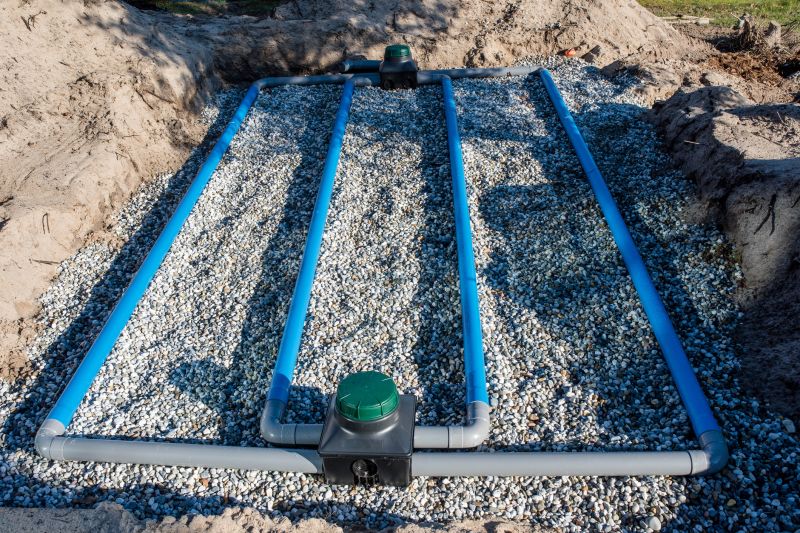
Property modifications or expansions may require moving a septic system to ensure proper function and compliance.
Key Considerations For Moving A Septic System
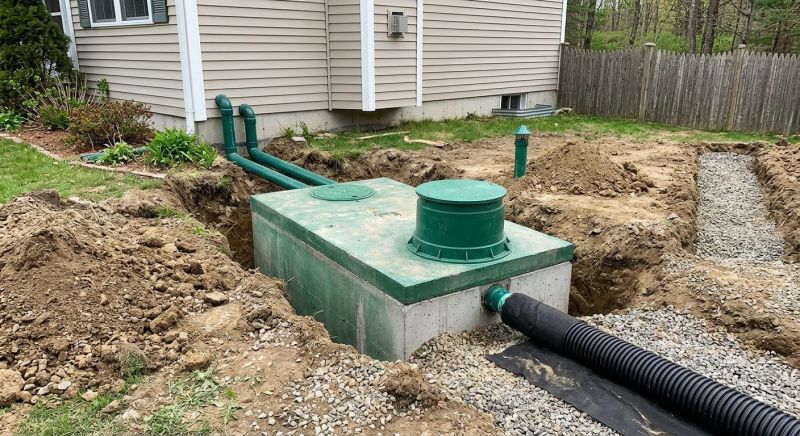
Soil conditions, property layout, and local regulations are important factors in planning a septic system relocation.
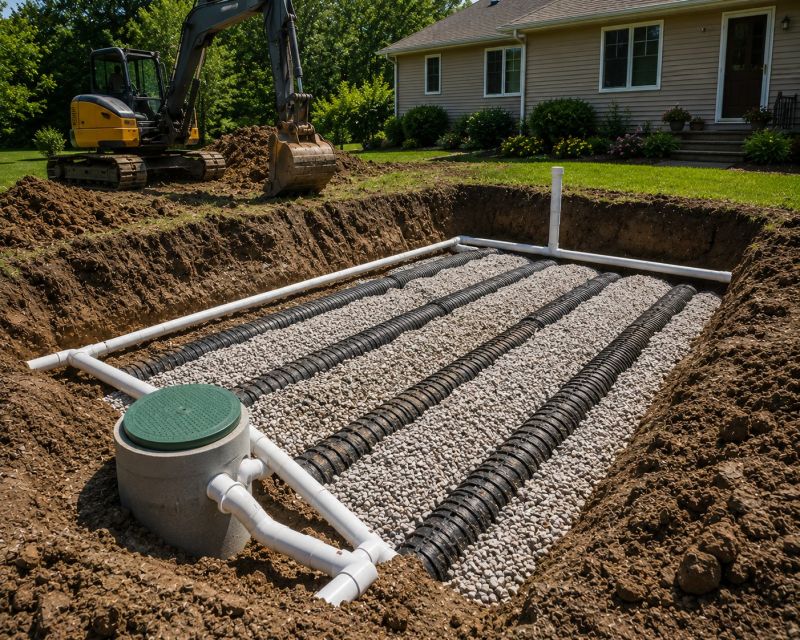
Benefits Of Professional Septic Relocation
Expert services help ensure the system is safely moved and continues to operate effectively on properties in denver and nearby areas.
Septic System Relocation in Denver, CO

Septic system relocation services involve moving an existing septic system to a new location on a property. This type of project typically covers situations where a home or building is being remodeled, expanded, or repositioned, and the current septic system no longer serves the property efficiently. Property owners should consider factors such as site conditions, local regulations, and the distance from the current system to the new location when requesting this service. Understanding the scope of the project, including any necessary permits or site assessments, can help ensure a smooth and compliant transition.
Before requesting septic system relocation, property owners usually want to know about the feasibility of moving the existing system, including the condition of the current septic tank and lines, as well as the requirements for the new site. It’s important to consider the space available, soil conditions, and setbacks from wells or property boundaries. Clarifying these details in advance can help determine the best approach for a safe, functional, and compliant septic system that meets the property's needs.
Many property owners in Denver, CO look into Septic System Relocation for repairs, replacements, upgrades, and appearance-related improvements.
Common Septic System Relocation Jobs
Septic System Relocation - services involve moving an existing septic system to a new location on a property.
Property assessment - evaluates site conditions to determine the best new placement for the septic system.
Permitting assistance - ensures all necessary approvals are obtained for the system relocation process.
Site preparation - includes excavation and grading to create a suitable foundation for the new septic system.
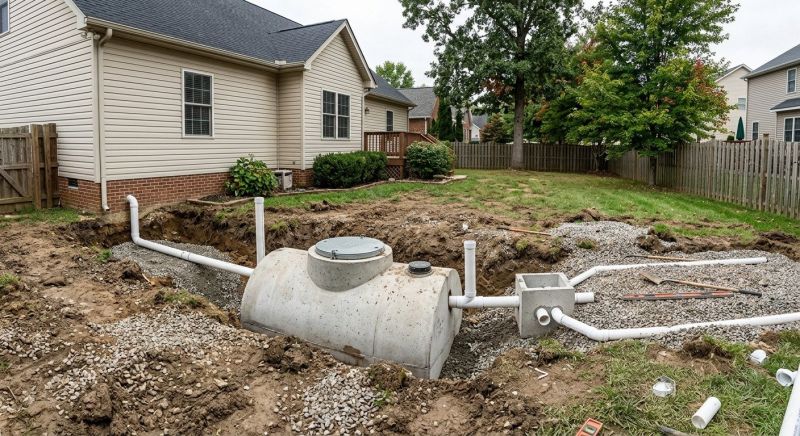
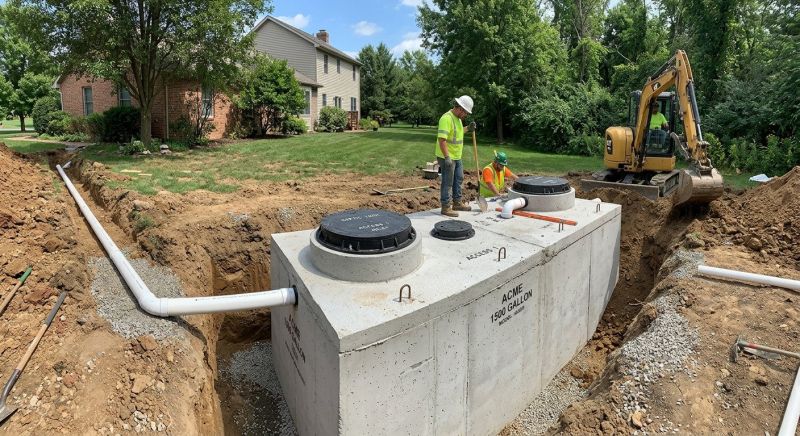
System installation - involves installing pipes, tanks, and components in the new location following proper procedures.
Post-relocation inspection - verifies the system functions correctly and meets local regulations after the move.
Septic System Relocation Questions
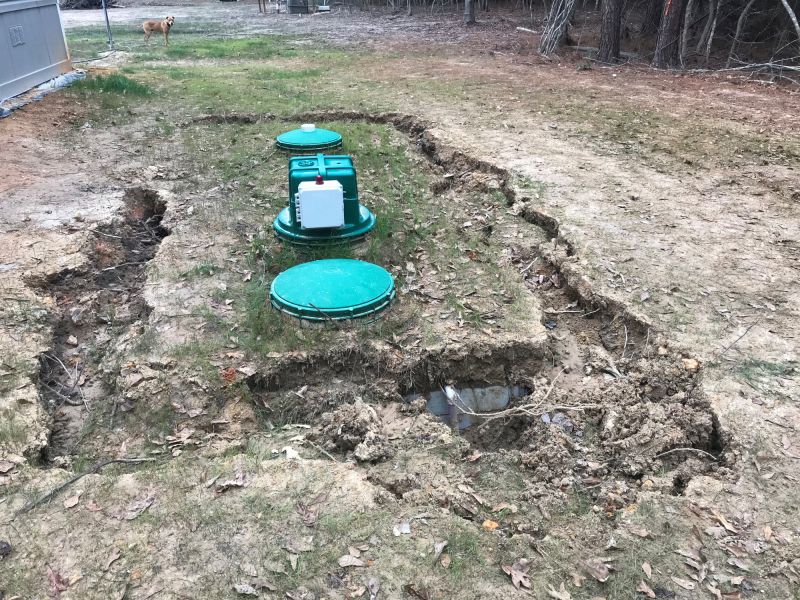
What is involved in relocating a septic system? The process includes excavating the existing system, preparing a new site, and installing the components in the new location to ensure proper function and compliance.
Why might a property owner need to relocate a septic system? Reasons include site development, property expansion, or issues with the current location that affect system performance or access.
Are there restrictions on where a septic system can be relocated? Yes, local regulations typically specify setback distances from property lines, wells, and structures that must be followed during relocation.
What should property owners consider before relocating a septic system? It’s important to assess soil conditions, access to the new site, and compliance with local codes to ensure a successful relocation.
Request Septic System Relocation in Denver, CO
Use the quote form on this page to share the basics of your project and request more information for the type of work you need.